A Memorable Chapter: Blackpool FC's 1950s Revival
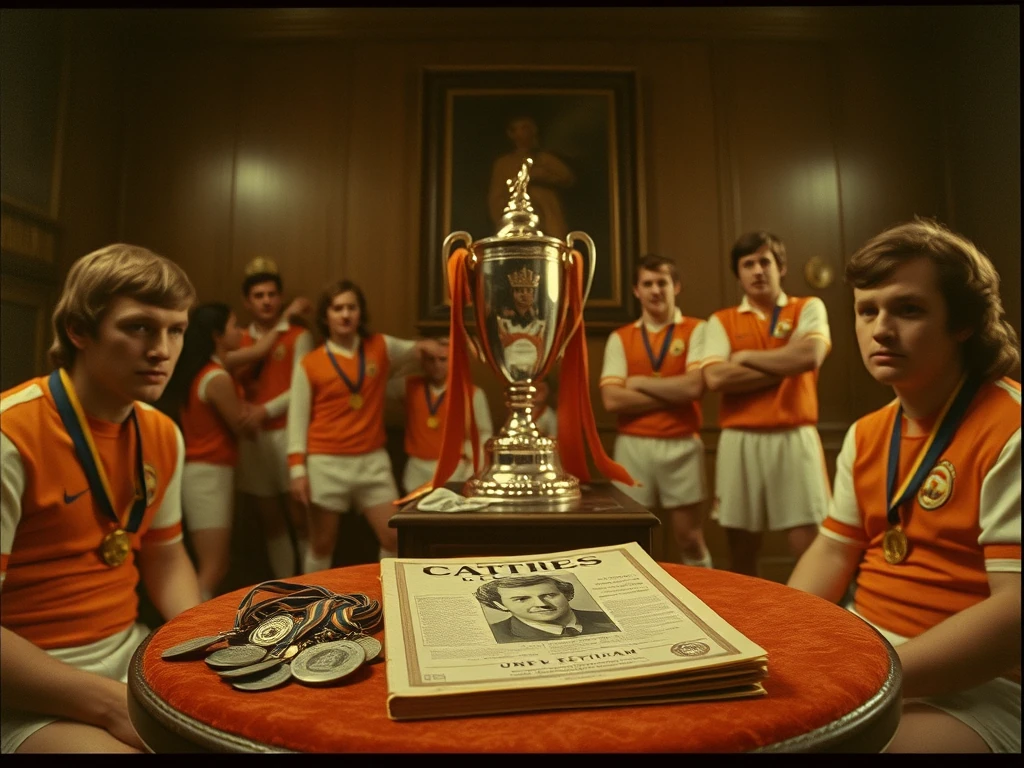
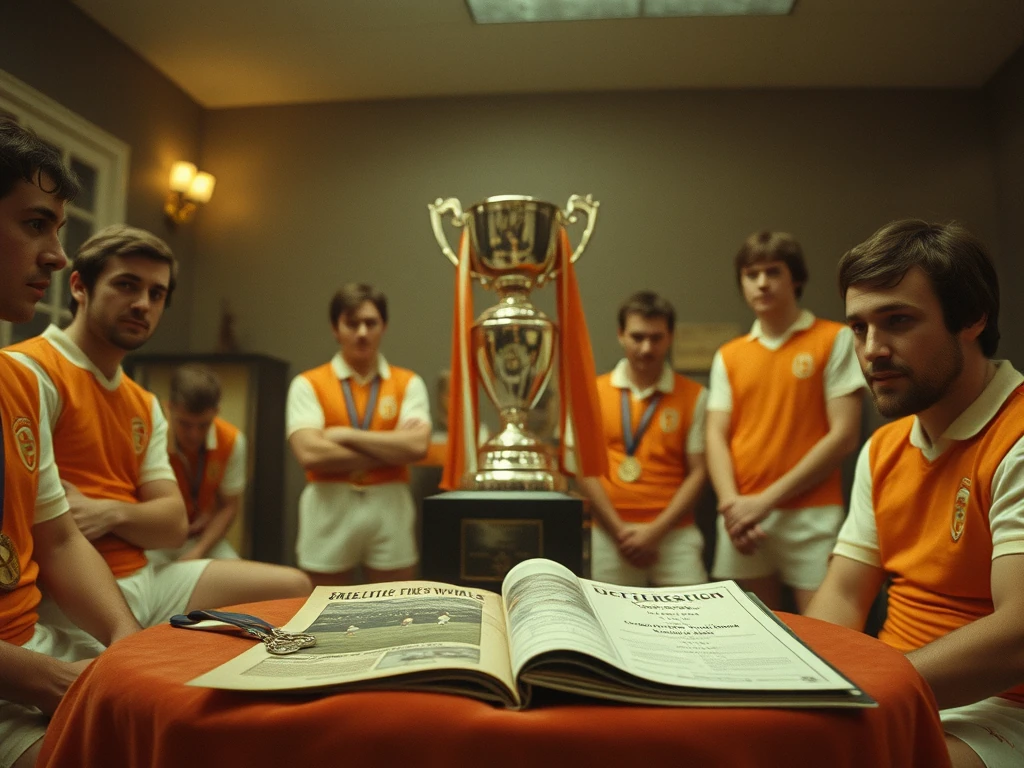
As the dust settled on the glorious 1953 FA Cup victory, Blackpool FC faced the daunting task of maintaining their competitive edge in the years that followed. The 1950s proved to be a pivotal decade for the Seasiders, characterized by a blend of emerging talents and strategic adjustments that would set the stage for a promising future.
After the euphoria of the club's FA Cup triumph, expectations ran high. However, the immediate aftermath saw a struggle to recapture the same form. The team faced challenges, including fierce competition from other clubs in the First Division and the pressures of maintaining a squad capable of delivering consistent performances. Yet, adversity often breeds resilience, and Blackpool was no exception.
In the mid-1950s, the club began to witness the rise of several key players who would become the backbone of the squad. The likes of Jimmy Armfield and Stanley Matthews were instrumental during this period, not just for their individual brilliance but for their ability to inspire those around them. Armfield, in particular, would go on to become a club legend, remembered for his leadership and dedication on the field.
The arrival of management changes also contributed significantly to the club's revival. Under the guidance of manager Graham Carr, a focus on youth development and tactical innovation began to take shape. Carr's philosophy was rooted in nurturing homegrown talent and fostering a spirit of teamwork. This approach resonated well with the supporters, who were eager to see a new generation of Seasiders emerge.
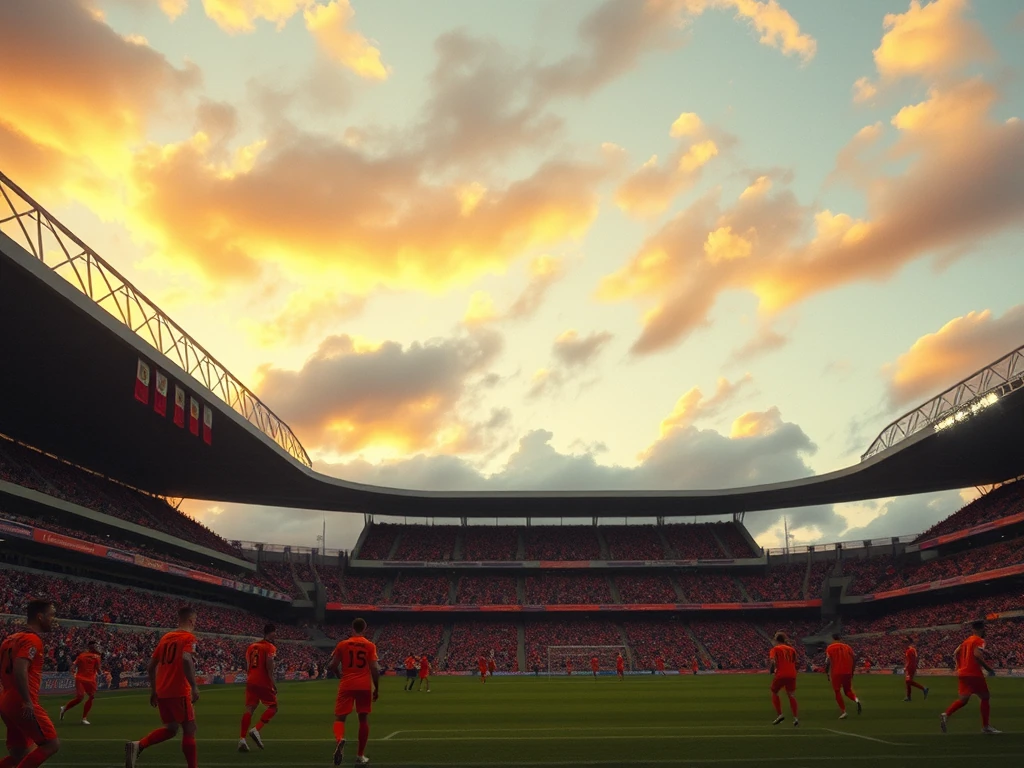
The late 1950s saw Blackpool begin to climb the league table, culminating in a strong showing in the 1956-57 season. The team finished in a commendable position, showcasing an exciting brand of football that thrilled the fans at Bloomfield Road. Matches became more than just games; they transformed into celebrations of skill, speed, and tactical acumen. The excitement generated during this period reignited the passion of the fanbase, drawing crowds eager to witness the resurgence of their beloved club.
One of the standout moments of this decade came in 1958 when Blackpool faced fierce rivals Preston North End. This match was more than just three points; it was a statement of intent. The atmosphere was electric, with Seasiders and Lilywhites fans filling the stands, each group eager to assert their dominance. The match epitomized the spirit of rivalry and the determination of both clubs to secure bragging rights in the North West.
By the end of the decade, Blackpool's revival had laid a solid foundation for the future. The lessons learned from the struggles of the early 1950s were now paying dividends, as the club began to attract attention from players and coaches alike. The passionate support from the fans remained unwavering, and the bonds forged during this period would resonate for years to come.
In retrospect, the 1950s were not just a revival of form but a renaissance for Blackpool FC. The decade represented a turning point, a moment where the Seasiders found their identity again, blending tradition with innovation. As we look back, it is clear that this chapter in Blackpool's history was essential in shaping the identity of the club and its enduring legacy in English football.